About Jim Corbett
Jim Corbett National Park is where India's wildlife conservation story began. Established in 1936 as Hailey National Park, it became the launchpad of Project Tiger in 1973 and remains the country's oldest and most celebrated national park. Sprawling over 1,300 sq km of sal forests, grasslands, riverine belts, and hills along the Ramganga River, Corbett is home to one of the highest tiger densities in the world.
The park is divided into safari zones, each with distinct character. Dhikala, the crown jewel, offers vast grasslands (chaurs) where tigers, elephants, and deer roam against river backdrops — and is the only zone offering forest rest house stays deep inside the park. Bijrani is known for frequent tiger sightings and dense forests, Jhirna and Dhela remain open year-round, while Garjia and Durga Devi cater to birders and those seeking the elusive leopard and fish-eating gharial.
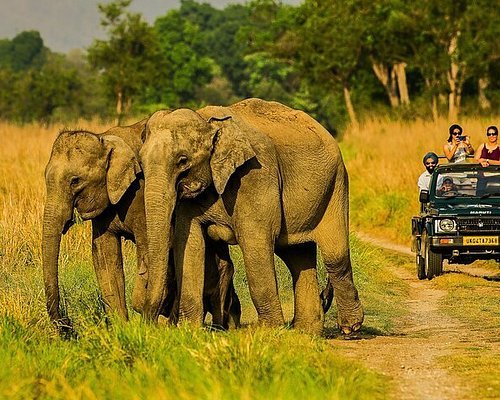
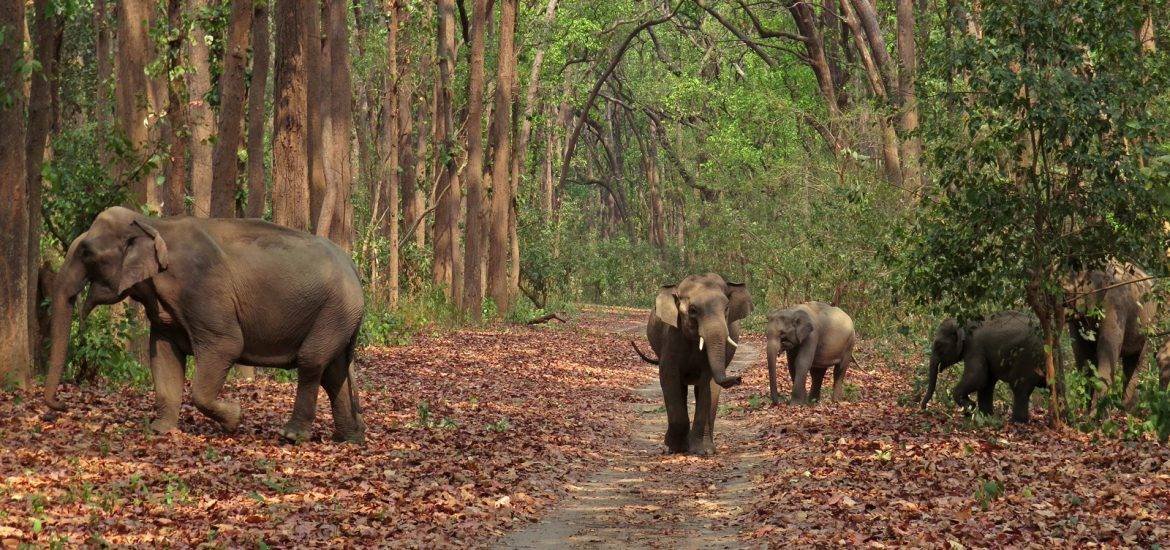
Beyond the 250-plus tigers, Corbett shelters Asiatic elephants, leopards, sloth bears, otters, and over 600 bird species — making it equally rewarding for birdwatchers. Winter mornings bring crested serpent eagles, hornbills, and the great slaty woodpecker into view.
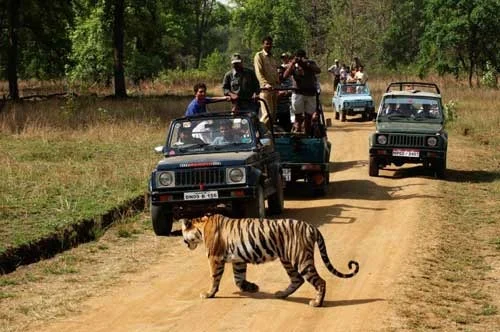
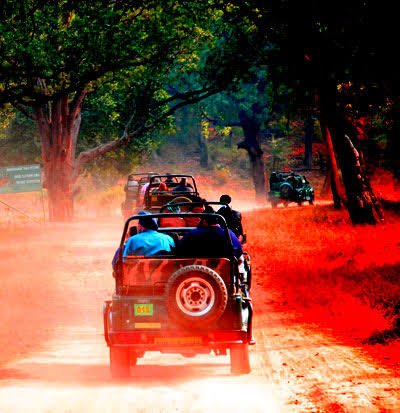
Jeep safaris run in morning and afternoon slots and must be booked in advance through the official portal — permits sell out quickly in peak season. Canter safaris serve Dhikala day visitors. The best wildlife sighting months are March to June, when animals gather at water sources; November to February offers pleasant weather and superb birding.
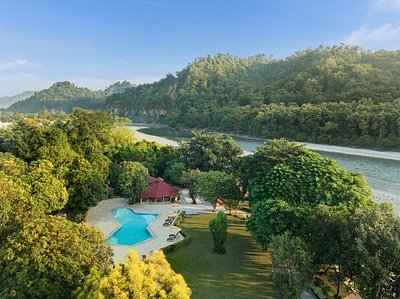
Stay options range from luxury resorts in Ramnagar and Dhikuli to forest rest houses inside the park. Book your Corbett safari, permits, and stay seamlessly with UttarakhandTours.in.
📷 Photo Gallery


Best Time to Visit
November to June is safari season. February–May offers the highest tiger sighting probability as vegetation thins and animals come to waterholes.